



What Indigenous Peoples can teach Canada about building a stronger economy
Indigenous communities are showing how Canada can advance economic reconciliation, strengthen local economies and make public investment go further
By Jeff Cyr
This op-ed originally appeared in The Hill Times.
On Sept. 30, Canadians will mark the National Day for Truth and Reconciliation, honouring residential school survivors, their families and communities, and remembering the children who never returned home. It is also a day to reflect on the lasting impacts of colonialism and what meaningful reconciliation requires today, including the kind of economy and country we build for the future.
This question feels particularly urgent now. Tariffs, high costs and uncertainty in Canada's economic relationship with the United States are putting pressure on families, businesses and communities. Canada needs to build a stronger, more resilient domestic economy while making every public dollar work harder.
Indigenous communities are already demonstrating one model that can help Canada do both: outcomes finance. At its core, it is a simple principle of self-determination. Communities define the outcomes they need, co-design solutions and lead implementation, rather than having priorities and solutions determined for them.
Capital is then structured around delivering results. Private or philanthropic investors provide upfront funding, while governments contribute only when agreed upon outcomes are achieved and independently verified. This gives communities greater agency while giving governments greater confidence that public dollars are paying for results. It also generates significant local economic activity, where capital is moving and staying at the local level.
We are already seeing what that can accomplish. In Onion Lake Cree Nation, an outcomes finance project is supporting rooftop solar installations on 123 homes, resulting in lower energy costs, local jobs and greater energy independence. In Brokenhead Ojibway Nation, geothermal heating and energy upgrades are being delivered for 100 homes alongside local training and employment.
These investments respond directly to priorities identified by Indigenous communities, while reducing risk and increasing accountability for governments. That is economic reconciliation in practical terms. Now, Canada has an opportunity to learn from Indigenous leadership and apply the same approach more broadly.
Canada spends billions on housing, health, energy, climate, skills training and employment. Outcomes finance can help those dollars achieve more by bringing private and philanthropic capital alongside public funding, while generating long-term savings by reducing pressure on public systems.
Canada can scale this approach to communities nationwide by creating a new $500-million Outcomes Canada Fund, with at least $100 million dedicated to Indigenous community projects. Federal departments should also be directed to use outcomes finance when delivering funding to Canadian communities, tying more federal spending to results rather than activities. It is exactly the kind of efficiency and impact we all want from federal spending.
There is an immediate opportunity in housing, too. Build Canada Homes should fund retrofits to existing housing, not only new construction. In many Indigenous and non-Indigenous communities, improving existing homes can deliver better housing faster and more cost-effectively, while lowering energy costs and creating local employment and training.
Taken together, these changes would put a different principle at the heart of public investment: give communities greater agency to identify what they need and structure funding around achieving it.
That principle of self-determination offers a broader lesson for Canada. Communities know their own needs, challenges and opportunities. Giving them greater flexibility to determine what success looks like can produce better results for residents and better value for taxpayers.
That matters in today's economy. An approach that can lower costs, create jobs, strengthen local economies and get more from government spending is one Canada should be looking to scale. On this National Day for Truth and Reconciliation, we should reflect on the systems that caused harm. But we should also recognize what Indigenous leadership can teach us about building better systems today.
That is good for reconciliation, and it is good for Canada's economy. Progress should not be measured by how much governments spend. It should be measured by what that investment achieves.
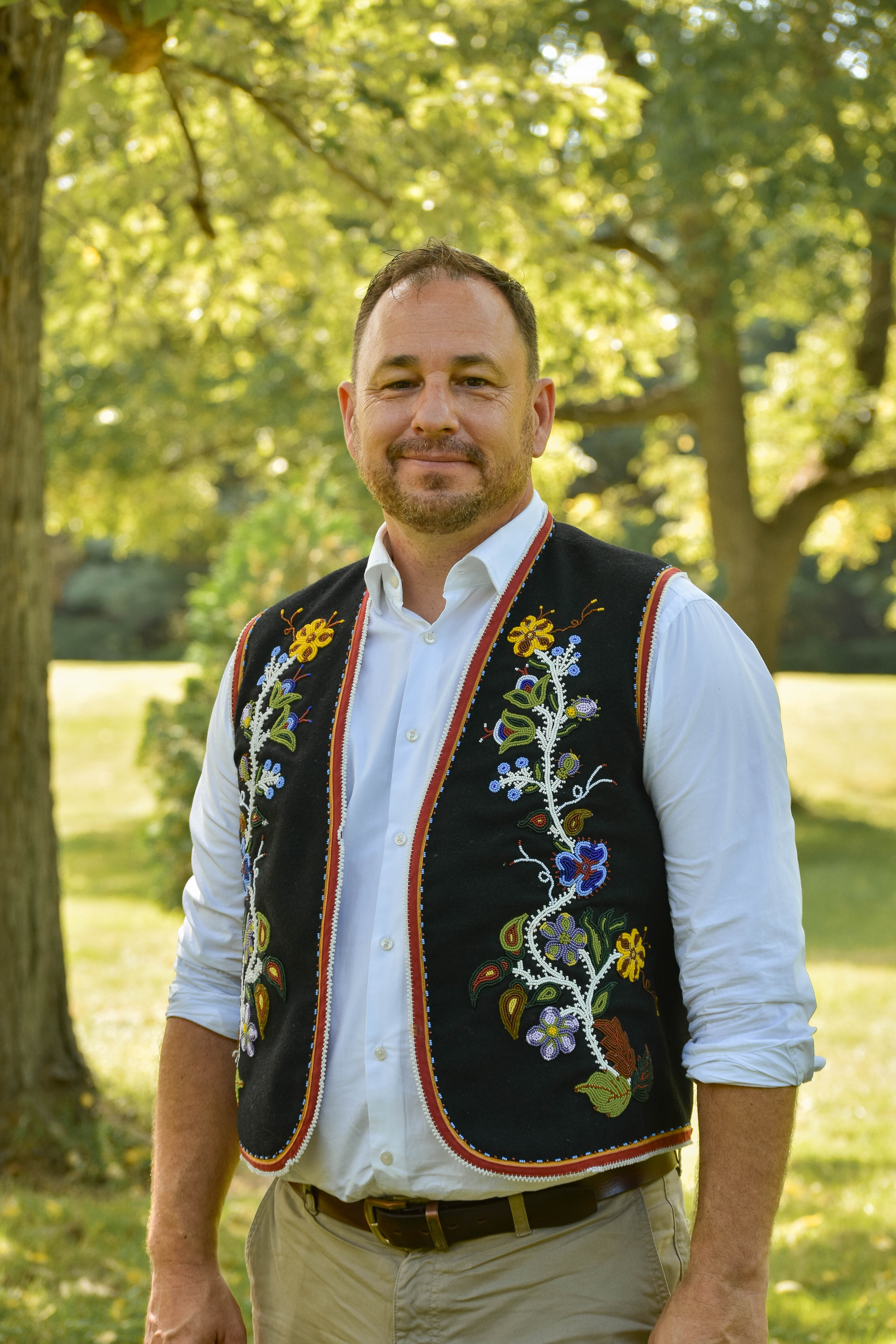
Jeff Cyr is Founder and Managing Partner of Otipêy, an Indigenous-led investment platform

.jpeg)

